
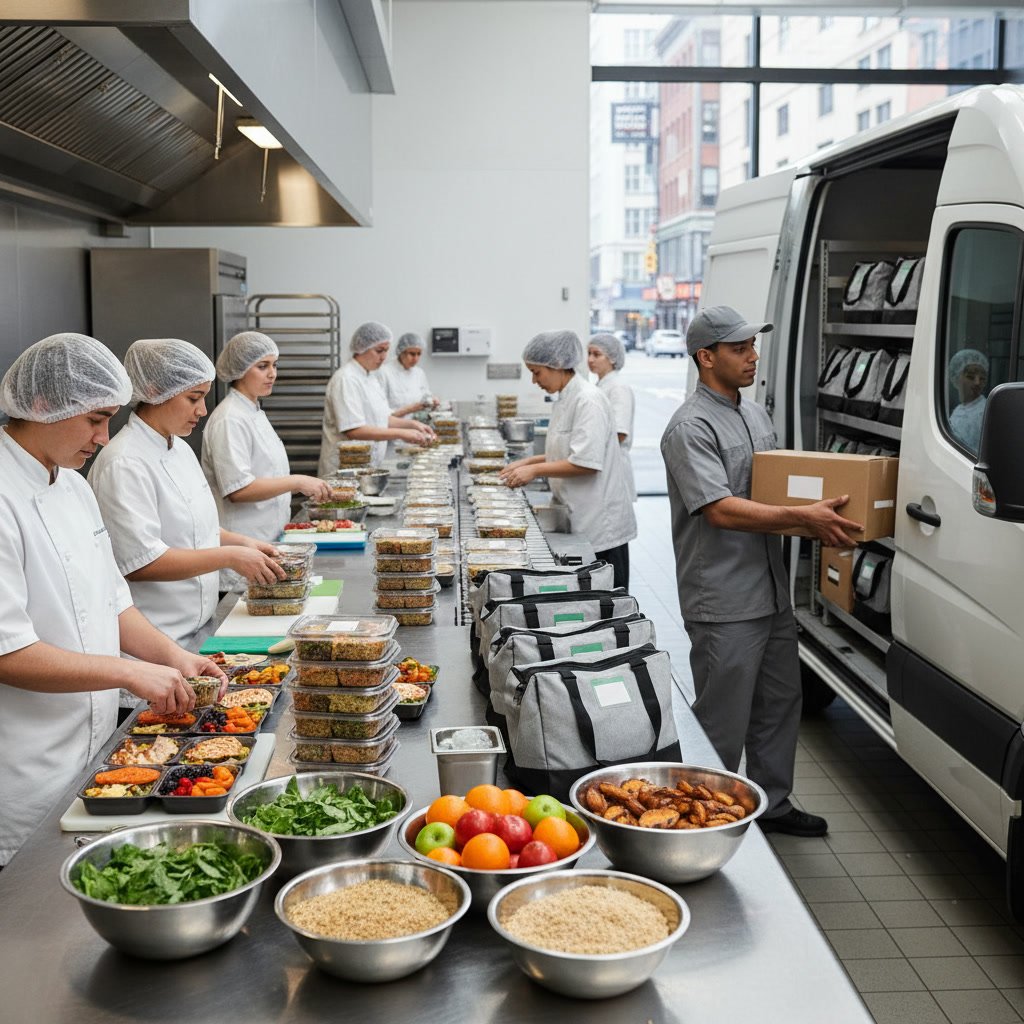
Professional meal prep delivery services handle the entire food preparation process, from ingredient selection through cooking, seasoning, portioning, packaging, and direct transportation to your home. Instead of receiving raw ingredients or meal kits you still have to cook, true meal prep services deliver food that has already been fully prepared by a dedicated kitchen team. The complete cycle typically spans 3-5 days from order placement to doorstep arrival, with careful temperature control maintained throughout transport.
Why Traditional Meal Planning Creates Daily Pressure
Most people spend 4-6 hours each week on meal-related activities. Grocery shopping consumes one to two hours. Cooking takes another two to three hours across multiple sessions. Portioning, storing, and cleanup add at least another hour. When you factor in the mental energy of deciding what to eat and checking what ingredients you already have, meal preparation becomes a significant weekly commitment.
This time investment compounds when schedules get busy. Missing one grocery trip can derail an entire week of planned meals. Running out of time to cook means resorting to takeout or expensive restaurant orders. The cycle creates stress rather than solving the basic need for regular, satisfying meals.
The Complete Preparation Cycle Explained
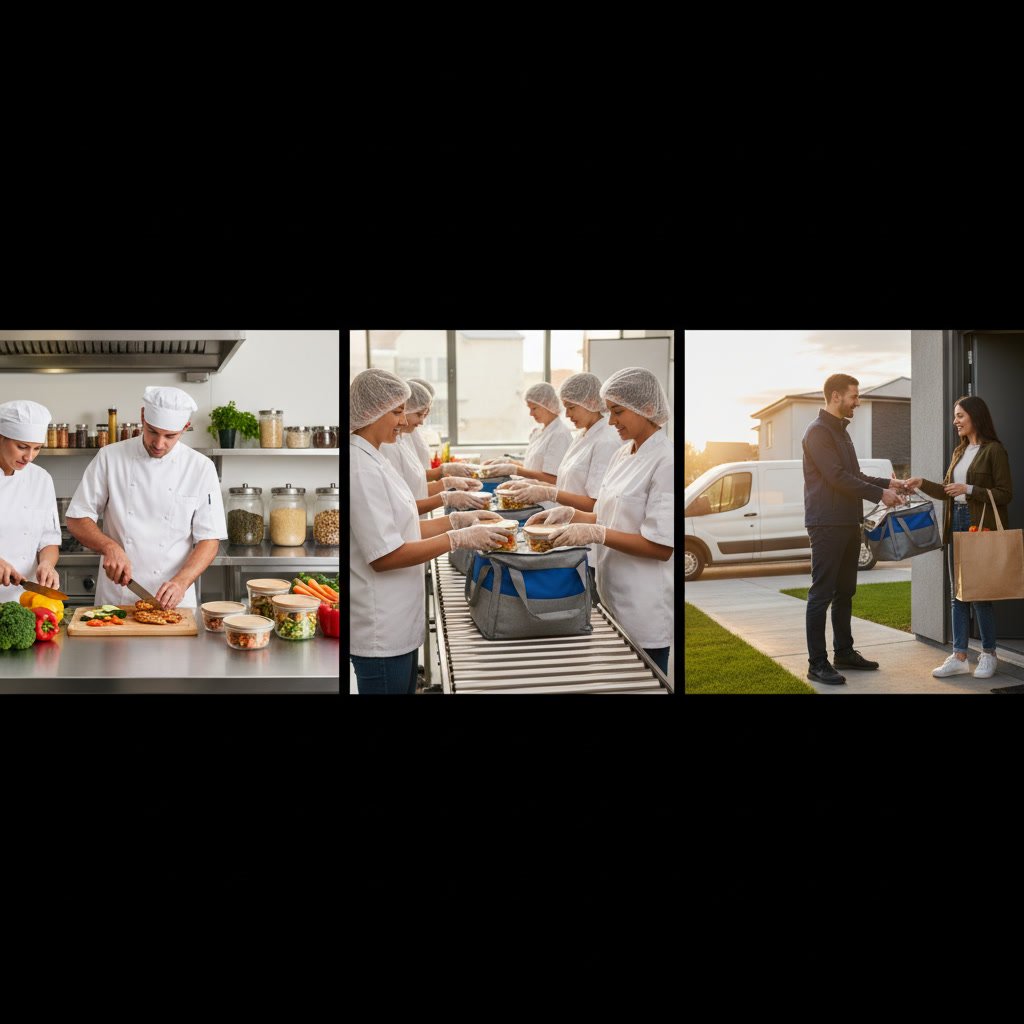
Professional meal preparation follows a structured process that replaces your home kitchen work. The cycle begins when you place an order, selecting from available menu options. Kitchen teams then organize ingredients based on all incoming orders, purchasing fresh proteins, vegetables, grains, and seasonings in quantities that match the week’s demand.
Once ingredients arrive at the commercial kitchen, preparation begins. Proteins are trimmed and portioned. Vegetables are washed and cut. Grains and starches are measured. Each component goes through its appropriate cooking method, whether that means grilling, roasting, sautéing, or steaming. Seasonings are applied during cooking to develop flavor throughout each dish.
After cooking completes, meals move to the portioning station. Each serving is measured and placed into individual containers designed to maintain food quality. Lids are sealed, labels are applied with contents and date information, and containers are organized by customer order. This entire process typically happens 1-2 days before your scheduled delivery date.
Temperature Control During Transportation
Maintaining proper food temperature during transit is the most critical safety element of any delivery service. Prepared meals must stay below 41 degrees Fahrenheit to prevent bacterial growth. Most services use insulated containers or cooler bags combined with ice packs or gel packs to maintain this temperature range.
The number of ice packs varies based on transit time and outside temperature. Short deliveries in moderate weather may require only 2-3 packs per order. Longer routes or hot weather conditions demand 5-6 or more packs to keep food properly chilled for 4-6 hours of transport time.
Professional services monitor their delivery times and adjust ice pack quantities seasonally. Summer deliveries in Arizona, for example, require significantly more cooling capacity than winter deliveries. This attention to temperature management protects both food safety and meal quality from kitchen to doorstep.
What Separates True Meal Prep From Meal Kits
Meal kits and meal prep services solve different problems. Meal kit companies ship raw ingredients with recipe cards. You still spend 30-45 minutes cooking each meal. You still handle all the cleanup. The service simply eliminates grocery shopping and recipe planning.
True meal prep services cook the food for you. When your order arrives, the meals are already prepared, seasoned, and ready to eat after a quick reheat. There is no chopping, no cooking, no seasoning decisions, and minimal cleanup. You save not just shopping time but also the entire cooking process.
This distinction matters significantly for people with demanding schedules. Meal kits still require dedicated cooking time several evenings per week. Prepared meal delivery removes that requirement entirely, making it possible to have quality meals even on your busiest days.
How Service Options Differ by Menu Structure
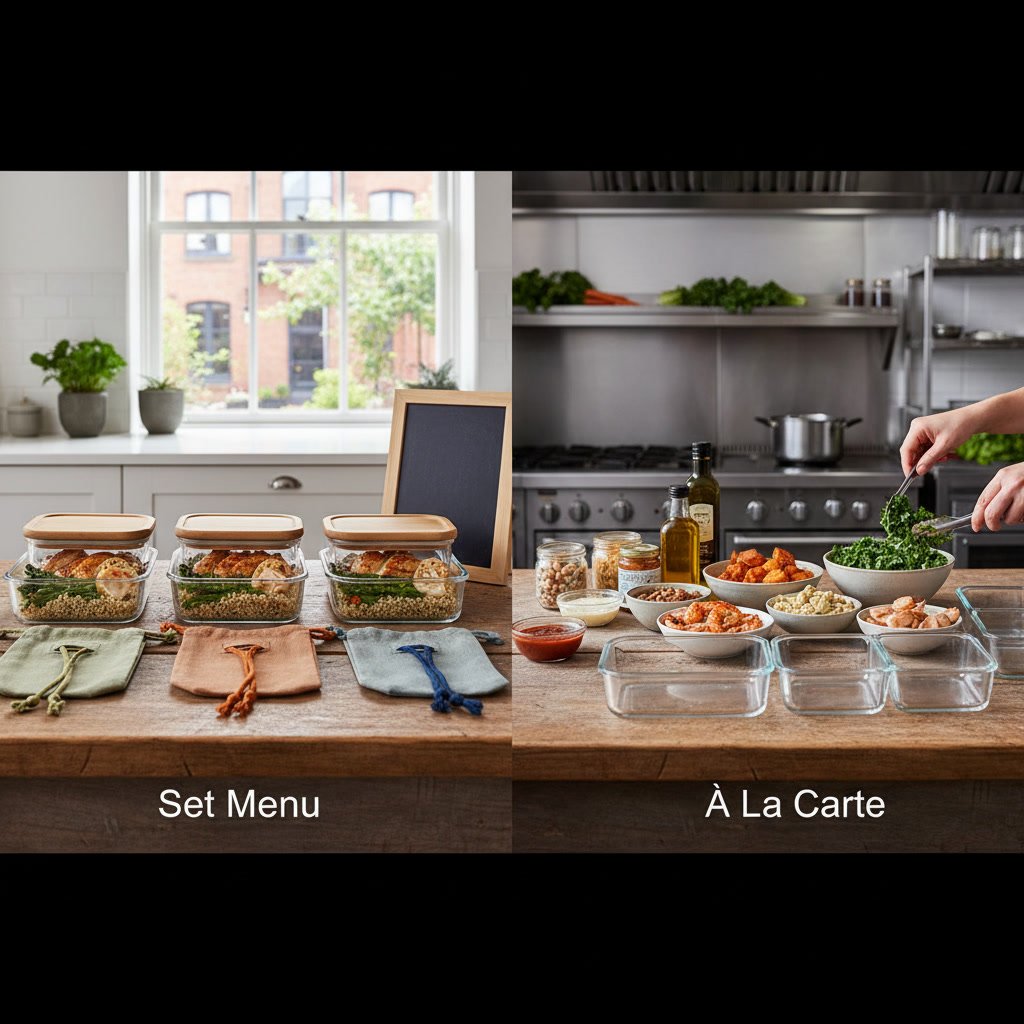
Some meal prep companies offer extensive menus with 15-20 different dishes rotating weekly. Others focus on a smaller selection of core options. Neither approach is inherently better, but they serve different customer needs.
Larger menus provide variety but can complicate the ordering process and kitchen operations. Smaller, focused menus allow kitchen teams to perfect specific dishes and streamline preparation. Services that specialize in particular meal styles, such as meat bowls or vegetarian meals, often achieve more consistent quality because their teams prepare the same core recipes repeatedly.
Your preference depends on whether you value extensive variety or consistent execution of a smaller set of reliable options. Both models work when the kitchen maintains proper quality standards throughout the preparation process.
The Logistics Behind Doorstep Delivery in Mesa AZ
Delivery logistics become more complex as service areas expand. Companies serving concentrated urban areas can complete more deliveries per route, reducing per-meal delivery costs. Services covering wider geographic regions, including cities like Mesa, Casa Grande, Scottsdale, and Phoenix, must plan longer routes that balance efficiency with delivery windows.
Most services assign delivery days based on your address. Orders in Mesa AZ might be delivered on Tuesday and Thursday, while Scottsdale customers receive deliveries on Monday and Wednesday. This geographic grouping keeps routes efficient and helps maintain food temperature by minimizing total transit time.
Delivery windows typically span 2-4 hours rather than precise times. This flexibility allows drivers to optimize their routes and handle unexpected delays without creating service failures. You receive notification on delivery day, usually including a narrower time estimate as the driver approaches your location.
Storage Protocols After Meals Arrive
Proper storage immediately after delivery protects food quality and safety. Refrigerated meals should be transferred to your refrigerator within 30 minutes of arrival. Most prepared meals remain fresh for 5-7 days when stored at proper refrigerator temperature, around 37-40 degrees Fahrenheit.
Meals you plan to eat later in the week can be frozen immediately after delivery. Freezing extends shelf life to 2-3 months for most prepared dishes. Proteins and vegetables freeze particularly well, while dishes with dairy-based sauces or high water content vegetables may experience some texture changes after thawing.
Organization matters for weekly meal planning. Many customers arrange their delivered meals in order of planned consumption, placing Monday’s lunch in front and Friday’s dinner toward the back. This simple system reduces decision fatigue and helps ensure you eat meals while they are still at peak freshness.
Step by Step Ordering and Delivery Process
Understanding the complete timeline helps you plan your first order effectively. Here is how the process typically unfolds:
Step 1: Browse available menu options, usually organized by meal type or dietary preference. Select the number of meals you want and add them to your cart. Most services require a minimum order, often 5-7 meals, to make delivery economically viable.
Step 2: Choose your delivery date from available options. Services typically require 48-72 hours between order placement and delivery to allow time for preparation and route planning.
Step 3: Complete payment and provide delivery instructions if needed. Specify whether to leave the order at your front door, side entrance, or another location if you will not be home.
Step 4: The kitchen team prepares your order 1-2 days before delivery. Your meals are cooked, portioned, packaged, and organized with your delivery information.
Step 5: On delivery day, your order is packed with appropriate ice packs and loaded onto the delivery vehicle with other orders along the same route.
Step 6: You receive notification that your order is out for delivery, typically including an estimated arrival window.
Step 7: Your meals arrive at your doorstep. You transfer them to refrigeration and they are ready to eat after a quick reheat.

Cost Structure and Value Comparison
Prepared meal services typically range from $10 to $15 per meal, depending on portion size, protein type, and service area. This cost includes all ingredients, professional preparation, packaging materials, ice packs, and delivery to your door.
Comparing this to home cooking requires honest accounting. A chicken and vegetable meal you prepare yourself might cost $5-7 in ingredients, but that does not include your time, utility costs, or the value of convenience. When you factor in 30-45 minutes of active cooking time and another 15 minutes of cleanup, the true cost comparison becomes less clear.
Restaurant meals and takeout typically cost $15-25 per serving, offering convenience but often with less nutritional control and higher sodium content. Prepared meal services occupy the middle ground, providing more convenience than home cooking and better nutrition than typical restaurant food, at a price point between the two.
Quality Indicators That Separate Good Services
Not all meal prep services maintain the same standards. Several indicators help identify operations with consistent quality and proper food safety practices.
First, examine how the service handles temperature control. Companies that specify their ice pack protocols and provide insulated packaging demonstrate attention to food safety fundamentals. Vague descriptions or no mention of temperature management should raise concerns.
Second, look for transparency about preparation timing. Services that prepare meals 1-2 days before delivery and clearly state the refrigerated shelf life show they understand food quality degradation. Operations claiming meals stay fresh for 10-14 days may be using excessive preservatives or overestimating quality retention.
Third, assess menu complexity against the operation size. Small services offering 25 rotating menu items likely cannot maintain consistent quality across that range. More focused menus from smaller operations often indicate better execution and less waste.
Finally, review their response to customer feedback. Services that adjust recipes, modify portion sizes, or refine delivery practices based on customer input demonstrate commitment to continuous improvement rather than rigid operational systems.
Making Prepared Meals Part of Your Routine
Getting consistent value from a meal prep service requires integrating it properly into your weekly routine. The most successful customers order regularly on the same schedule, creating a predictable pattern that removes meal planning decisions.
Start with a smaller order covering 3-4 days of meals to test quality and determine if the portion sizes match your needs. Once you identify meals you enjoy, increase your order frequency. Many people settle into a pattern of receiving 5-7 meals twice per week, providing 10-14 prepared meals that cover most lunches and dinners.
Having prepared meals available reduces the temptation to order expensive takeout on busy evenings. The key is ensuring you actually have meals ready when you need them, which requires ordering before you run out rather than waiting until your refrigerator is empty. Most services allow you to set recurring orders that arrive automatically on your preferred schedule.
Understanding how meal prep services work from kitchen to doorstep reveals a complete system designed to replace the time-consuming parts of meal planning and preparation. The process combines professional cooking, careful portioning, proper packaging, temperature-controlled transport, and direct delivery to create convenient access to prepared food without requiring your time in the kitchen.
Trucking Meals handles every step of the preparation and delivery process for customers throughout the Phoenix metro area. Choose from carefully prepared options, and your meals arrive ready to eat whenever your schedule demands it. Get started with your first order by calling 2069540060 to discuss your meal preferences and delivery schedule.